Introduction to No-Code Website Development for Ecommerce
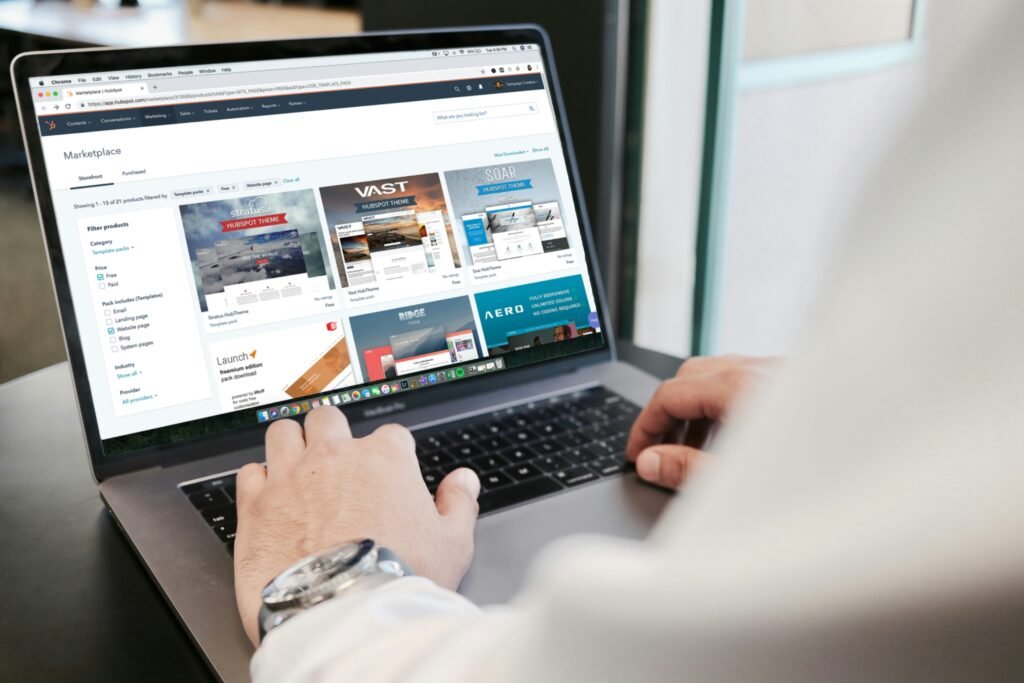
The rapid advancement of technology has ushered in a new era of website creation, particularly in the realm of ecommerce, where no-code development is becoming increasingly prevalent. No-code development refers to the process of building websites and applications without the necessity of traditional coding skills. This approach leverages graphical user interfaces and customizable templates, allowing individuals—especially entrepreneurs and small business owners—to create and manage their own ecommerce platforms with ease.
No-code ecommerce development allows users to circumvent the steep learning curves associated with coding, democratizing the process of online store creation. These platforms typically offer drag-and-drop features, pre-built components, and integrated payment solutions, which significantly streamline the setup process. Entrepreneurs can focus more on their business strategies and customer engagement rather than grappling with complicated programming languages. This ability to launch an online store quickly and efficiently empowers users to enter the ecommerce market without relying heavily on technical skills or hiring expensive developers.
Among the notable benefits of no-code development is the significant reduction in time and resources spent on setting up an online store. Users can swiftly customize their ecommerce sites to meet their brand identity and customer needs, adapt to market changes, and effectively scale their operations. Moreover, no-code platforms often come equipped with essential analytics tools, enabling entrepreneurs to monitor performance and optimize the customer experience seamlessly.
Various tools and platforms facilitate no-code ecommerce development, such as Shopify, Wix, and Squarespace, each offering unique features tailored to different business models. These platforms are designed to support a wide range of ecommerce functionalities—such as product listings, payment processing, and inventory management—while maintaining user-friendliness. The trend toward no-code development is reshaping how online stores are built, making it an attractive solution for many aspiring ecommerce entrepreneurs.
For buying Ecommerce or simple static and dynamic websites editable without coding and with compatible hostings, visit evens.pk or email at info@evens.pk or call or message on WhatsApp no: +92-03097929309.

Emerging WordPress Plugins for Simplified Website Creation
In the ever-evolving landscape of website development, WordPress continues to be a frontrunner, particularly for users seeking to create ecommerce sites without delving into complex coding. Emerging plugins play a crucial role in simplifying the site creation process, offering powerful functionalities that enhance user experience and streamline ecommerce capabilities.
One prominent example of such a plugin is Elementor. Known for its intuitive drag-and-drop interface, Elementor allows users to design beautiful web pages effortlessly. It includes pre-built templates and widgets, enabling users to customize their pages according to their specific needs without coding knowledge. Additionally, its compatibility with Woocommerce makes it an ideal choice for those looking to establish an online store.
Another noteworthy plugin is WooCommerce itself, which transforms a standard WordPress site into a fully functional online store. With built-in features like product variations, payment gateways, and inventory management, it simplifies the ecommerce experience for users. Moreover, WooCommerce extensions permit further customization, allowing merchants to enhance their stores based on unique requirements.
For those seeking a more streamlined approach to managing content, Beaver Builder is an excellent plugin tailored for users who prioritize ease of use. This front-end page builder minimizes technical barriers, enabling users to create responsive layouts quickly. Coupled with ecommerce tools, it empowers site owners to build professional-looking pages that capture visitors’ attention.
Additionally, the WPForms plugin facilitates the creation of user-friendly forms for ecommerce sites, essential for customer inquiries and order processing. Its drag-and-drop functionality ensures that even the least technically inclined users can implement customized forms effortlessly.
In conclusion, the emergence of user-friendly plugins like Elementor, WooCommerce, Beaver Builder, and WPForms has revolutionized website creation on WordPress, particularly for ecommerce. These tools not only enhance the user experience but also significantly streamline the website development process, allowing anyone to create stylish, functional websites with ease.
Design Trends Shaping No-Code Ecommerce Websites
The evolution of no-code ecommerce websites has been significantly influenced by emerging design trends, which allow users without coding expertise to create aesthetically pleasing and high-functioning online stores. One of the prominent trends is minimalism, which emphasizes clean lines and essential elements. This approach helps businesses communicate their offerings clearly, reducing clutter while enhancing user experience. As a result, minimalistic design not only streamlines navigation but also cultivates a more engaging environment for potential customers.
Another essential trend that has gained traction is the integration of micro-interactions. These subtle yet impactful animations provide feedback during user interactions, such as hover effects or loading indicators. Micro-interactions improve the overall usability of ecommerce sites by guiding users smoothly through the shopping experience. They are particularly effective in drawing attention to calls-to-action, increasing the likelihood of conversions. No-code platforms enable non-developers to easily incorporate these features without the need for complex coding.
Mobile-responsive design is another integral aspect of modern ecommerce websites. With a substantial portion of online shopping conducted via smartphones and tablets, having a site that automatically adapts to various screen sizes is critical. New templates and themes available in WordPress streamline this process, allowing users to create responsive designs effortlessly. This responsiveness not only enhances accessibility but also boosts user engagement, as customers enjoy a seamless browsing experience regardless of device.
Lastly, the adoption of AI-driven personalization is becoming increasingly common in no-code platforms. These tools allow businesses to tailor content and product recommendations based on user behavior and preferences. This level of customization fosters a more personalized shopping experience that can lead to higher conversion rates. As companies leverage the latest design trends while utilizing no-code solutions, they gain a competitive edge in the ever-evolving world of ecommerce.
Future Outlook: The Evolution of No-Code Solutions in Ecommerce
The evolution of no-code solutions in ecommerce is poised to greatly transform the landscape of website development. As technology continues to advance, particularly with the integration of machine learning and artificial intelligence (AI), the potential for simpler and more efficient website creation increases significantly. These innovations are likely to automate tedious tasks, enabling users—regardless of their technical expertise—to design, customize, and maintain their ecommerce websites seamlessly.
Machine learning can analyze user behavior on ecommerce platforms to recommend design elements that enhance user experience. By utilizing these insights, no-code solutions can allow small businesses and entrepreneurs to produce bespoke websites tailored to their target audiences without needing extensive coding knowledge. Furthermore, AI-driven chatbots and customer service tools can easily integrate into no-code platforms, providing businesses with enhanced customer interaction without requiring technical intervention.
However, as no-code solutions gain traction, they will face potential challenges that may hinder their growth. One such challenge is competition with traditional coding approaches. While no-code platforms offer ease of use, businesses often seek the customizability and flexibility that traditional coding provides. This competitive pressure may necessitate that no-code platforms continuously evolve to meet the varied needs of users.
Security concerns also represent a significant hurdle in the future of no-code development. As these platforms become more widely adopted, they may become attractive targets for cyber threats. Addressing these concerns is essential to instill confidence in users shifting from traditional coding methods.
Nevertheless, the trajectory indicates a robust future for no-code solutions in ecommerce. As these platforms continue to grow and expand, they are likely to become increasingly standard in the ecommerce industry, democratizing access to website development and empowering businesses of all sizes to thrive in the digital marketplace.
For buying Ecommerce or simple static and dynamic websites editable without coding and with compatible hostings, visit evens.pk or email at info@evens.pk or call or message on WhatsApp no: +92-03097929309.